April Artist of the Month –Matt Killeen
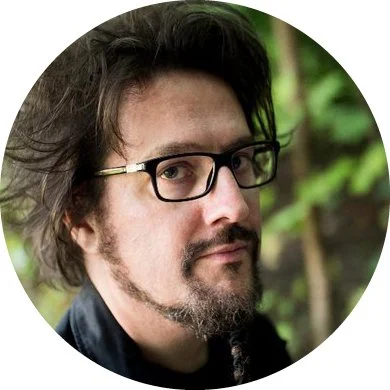
Our April ‘Artist of the Month’ is author Matt Killeen
About Matt Killeen
Matt Killeen has had many careers but kept coming back to writing. He has made a living as an advertising copywriter and creative, a music and sports journalist, and all-round wordsmith for hire. He fulfilled a childhood ambition by becoming a writer for the LEGO® company in 2010, and continues to create LEGO licensed books for Ameet Publishing. Now a Fellow of the Royal Literary Fund, he also teaches creative writing and works for PC Gamer and GamesRadar.
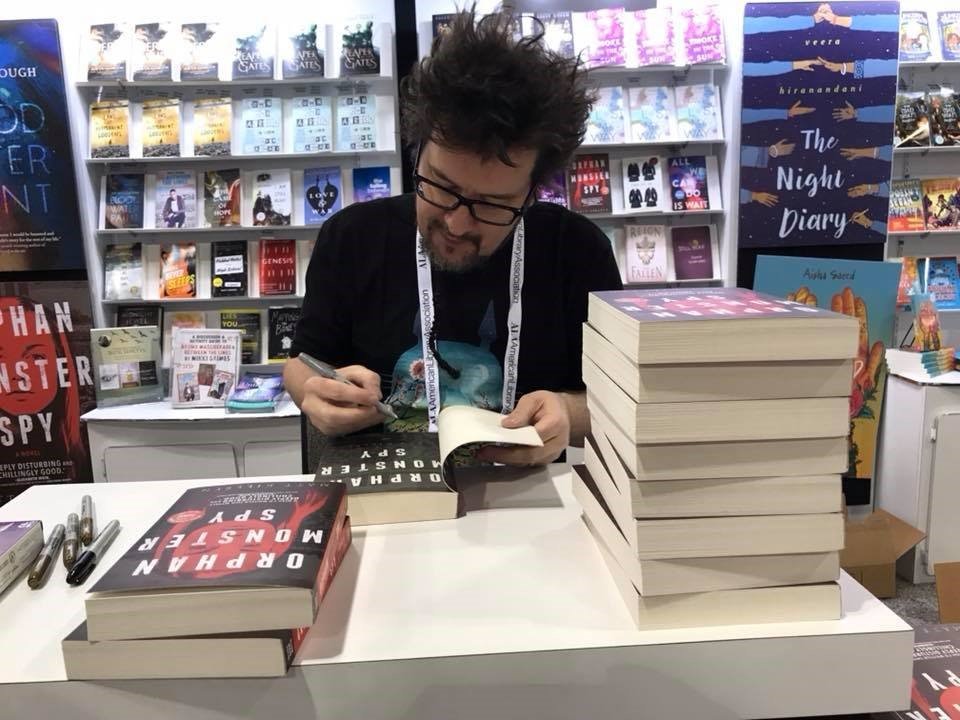
Written for an MA in Creative Writing from MMU, his US Bestselling debut Orphan Monster Spy was the result of a lifetime’s horrified fascination with the Second World War. It was shortlisted for the Costa Book Awards and the Branford Boase Award, as well as winning the 2019 SCBWI Crystal Kite. It forms the basis of his work with schools around the world on the dangers of fascism, as well as the moral complexity of war and resistance. The sequel, Devil Darling Spy, continues Sarah’s journey, and discusses imperialism and racism.
Having raised one autistic daughter with high support needs to adulthood, he had in recent years suspected that he might be neurodivergent himself. It took the COVID-19 pandemic and the challenge of trying to educate his AuDHD five-year-old through lockdown, for any remaining doubts to evaporate. He took the battery of relevant tests and proved to be, what he calls, “hella autistic,” as well as having “a scorching case of ADHD.”
He lives in an all-neurospicy household in Surrey, desperately in need of routine but forever incapable of creating one.
What a visit from Matt entails
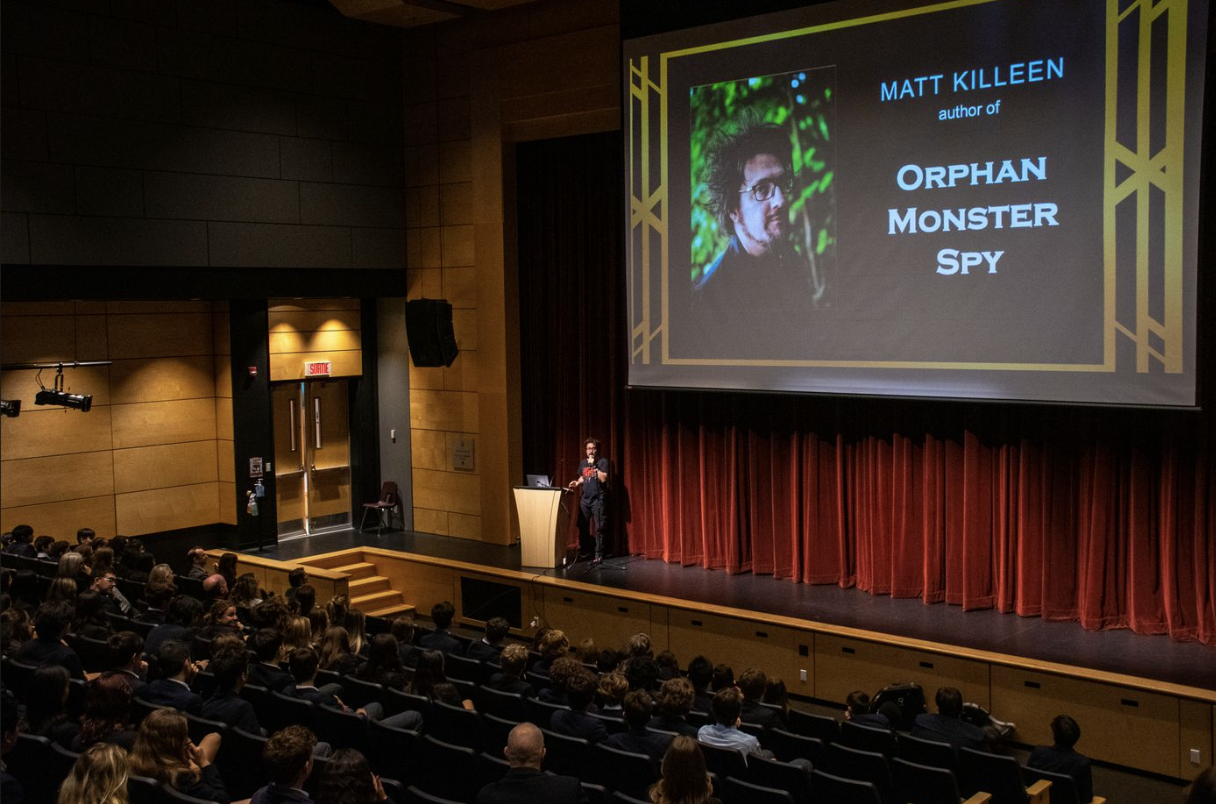
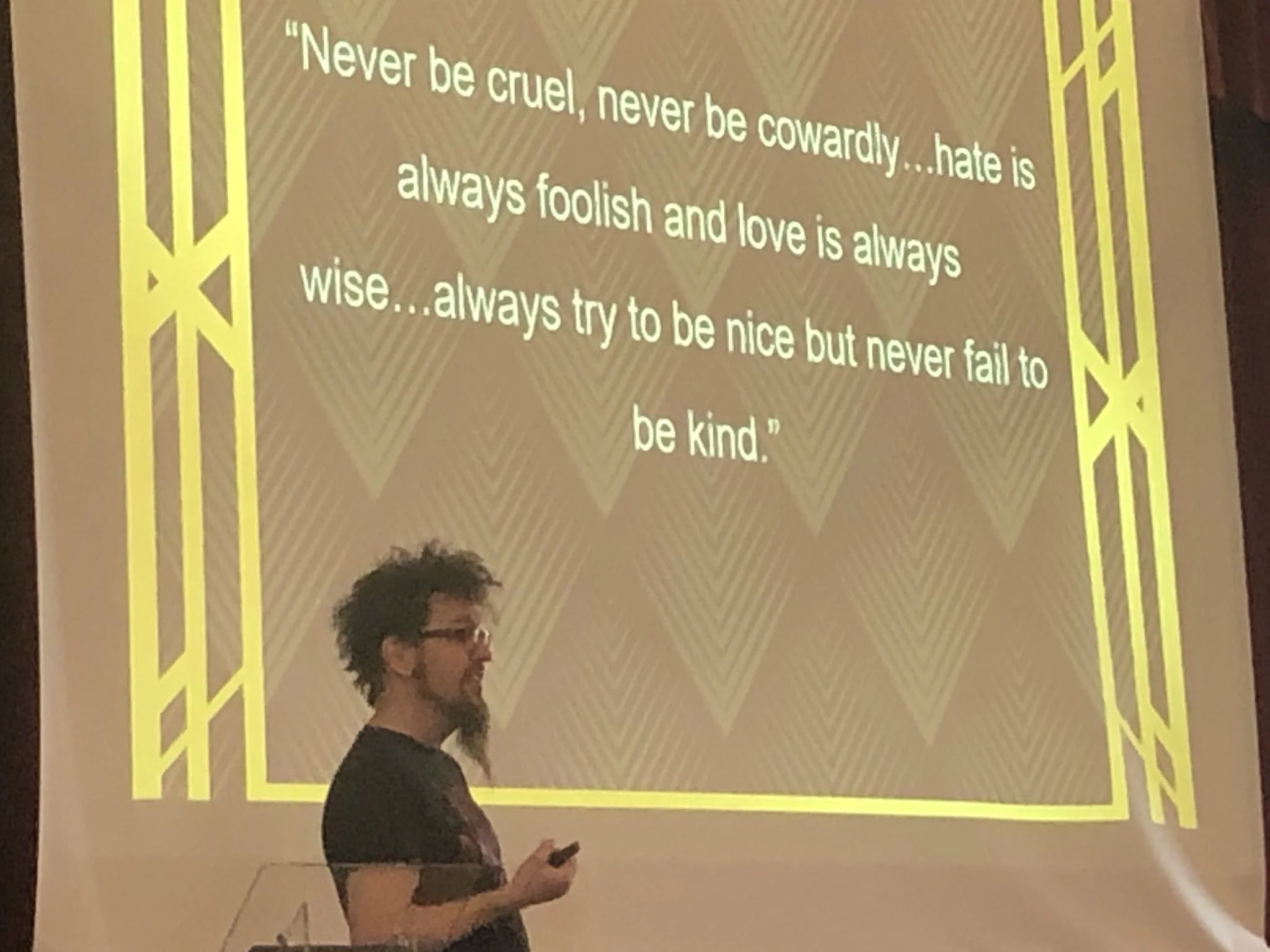
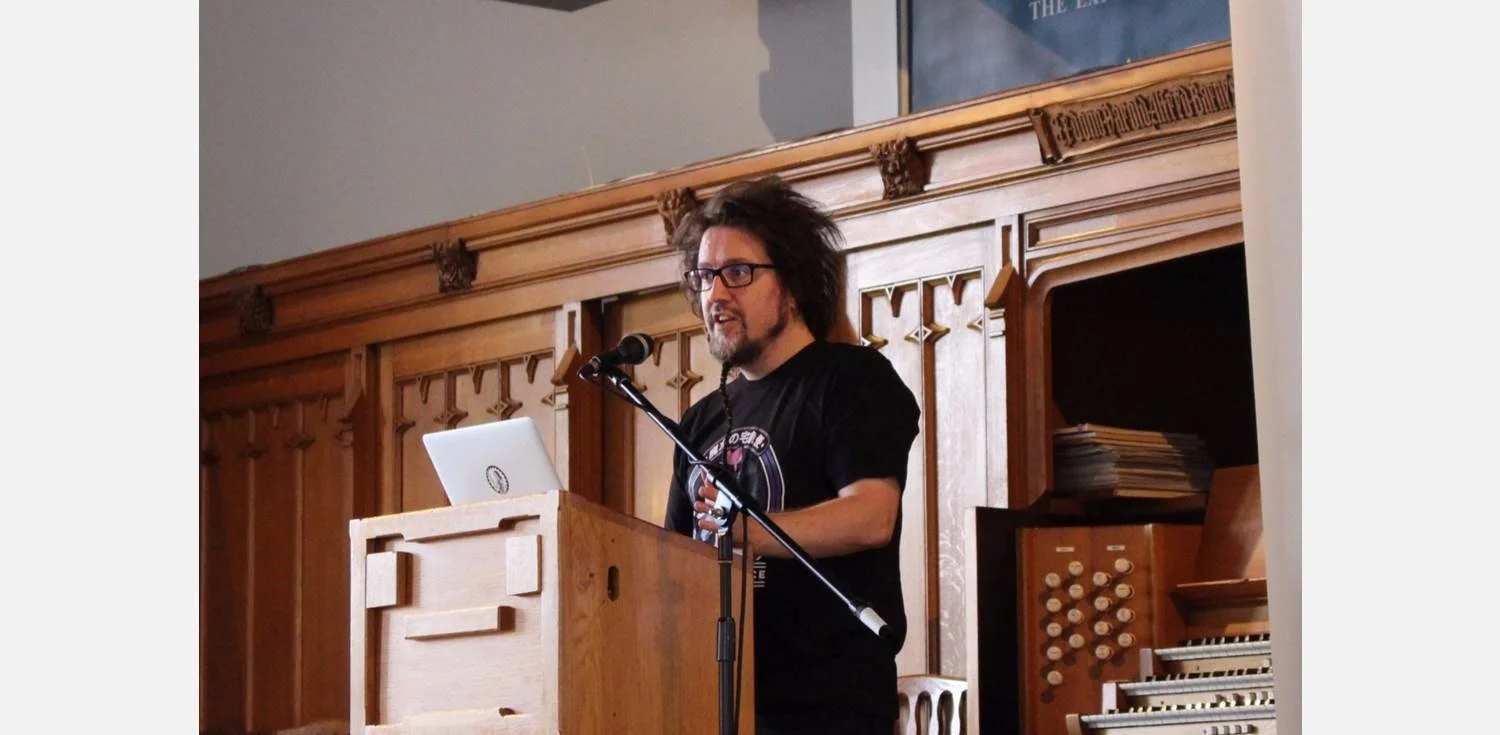
Matt works with children from 12 to 18, offering assemblies, and creative writing workshops. He discusses heroes in fiction, the history of Nazi Germany, resistance and being a hero in real-life. Usually followed by a Q&A
You can see details on his visits here
Testimonials from previous visits.
“Matt’s presentations were amazing! His writing workshops were accessible and fun, and he made the kids excited about the stories they created. When he gave his talk on Orphan Monster Spy, he handled a difficult topic with grace and kept an auditorium full of teenagers engaged (no easy feat!) He showed genuine interest in the students and took the time to answer their questions. I have received nothing but positive feedback from teachers. I would definitely recommend Matthew Killeen to any secondary school.”
Head Librarian, Lower Canada College
“Matt visited Ousedale School in June 2017 and gave two outstanding presentations and a professional and engaging workshop to our students. His presentation was immaculately researched, showed a real depth of knowledge and understanding of the topic and was utterly confidently delivered with no signs of nerves. Matt used an excellent presentation to compliment his delivery. The whole thing was pitched perfectly for the audience and they were fascinated and interested throughout. At the end Matt took questions and answered with humour and good will. To hold the interest of nearly 500 13 and 14 years olds in an echoey gym for a whole hour on one of the hottest days of the year is no mean feat – but they were captivated.”
Ousedale School
Interview with Matt Killeen
When did you start writing fiction?
I thought that I had started in about 2012 when I began my MA in creative writing for children – I was a writer with the LEGO company and wanted to create something darker and older. However, going back and looking at my old schoolbooks for a talk I was giving, I discovered that I was writing Lord of the Rings fanfiction at 10. There were stories and articles and historical fiction too. I could also see why I stopped. It was all the red ink, complaining about my handwriting, and spelling and grammar and errors and why-didn’t-I-check-my-work and why was I lazy, and careless? That really beat the writer out of me. Even if I hadn’t been AuDHD, which I was it seems, the education system of the time did a number on me.
When writing historical fiction how much artistic licence can you utilise and how much do you have to follow historical facts?
Lord Macaulay, the historian, said something like, “for history to be received by the wisdom, it must first be burned into the imagination.” If your book isn’t exciting, or funny, or compelling in some way, it could be the most accurate and important thing ever, but no one will read it. Nazi Germany didn’t build an atom bomb, for example, but a book about that could tell you a lot about the Third Reich. That said, some things in history have to be handled with extreme care. There are some things, like the fact the Holocaust happened, that are true and inviolable. You can create a fictional story, like “The Devil’s Arithmetic,” that makes that more real for the reader – verisimilitude is the term, I think – if you imbue it with an authenticity and genuine menace. That’s a very difficult and complex line to tread. For example, one of the most popular holocaust books for children fails, spectacularly, to do that.
How do you research your books before starting writing?
Orphan Monster Spy & its sequel, Devil Darling Spy, build on a lifetime’s horrified fascination with the Second World War, fuelled by a childhood steeped in it. So, I had a foundation to work from, before exploring specific strands inspired by the plot. Then I tend to research as I go, and let that alter the story when I need to. This method is harder with things I don’t know so well. I’ve written a novel set in Ancient Rome and discovered that pretty much everything I knew was rubbish. Being neurodivergent, it’s easy to get caught up in things, but I’ve long since learned to feed my special interests. I go very deep, and although the books didn’t come off, I know an absurd amount about ballet and the history of women’s baseball, for example.
How much of a novel do you plot out before setting pen to paper - the whole thing or a section at time and see if a character or idea takes you down a different path?
I have an idea, then a start in mind, usually an end, and a few tent pole events planned along the way. Then I write chronologically, letting the characters talk and react and tell me what’s going happen. That may change the poles but the tent stays much the same. There were several moments in Orphan Monster Spy when Sarah out and out refused to follow the plan, and changed the book for the better.
A lot of books for young people cover quite serious topics – why do you think these darker books gain so much attention from the judges?
I don’t think any topics should be off-the-table for young people, as the world contains a lot of dark and distressing stuff. I would say that, of course, as the author of “deeply disturbing” YA, but the reality is that silence always favours the oppressors and the abusers. It leads to ignorance and fear. As for award panels...they do seem to feel on some level that books that win gongs should be “important.” Which is okay as it goes, but what constitutes important is the rub. Sometimes they think they have to be “serious” too and that, I think, is a problem. Good books can be exciting or far-fetched or light-hearted and still be important.
What impact can a good fiction book have on an engaged reader? Can life lessons and facts still be accrued even when not reading a non-fiction book?
Firstly, books are an empathy machine that lets you climb inside other people’s heads. Then they can make you think about things, and why you think them. As for lessons and facts, the Lord Macaulay quote above applies. Stories are the way that humans process everything, going back 40,000 years. Good non-fiction should be a story, and good fiction should be a great story because you get to play around the edges to see what happens. And I do have to say, that reading is books, comics, graphic novels, audiobooks, and more, on paper and screen. We shouldn’t be gatekeeping that empathy or knowledge.
How do you get a group of possibly nervous students to start writing and join in a workshop?
I take a lot of time to show students that they already know how stories work. They might not be big readers, but they watch films, or play games, or even watch sports. Then having shown them the framework, I give them enough freedom to make their own tale, without having to worry about where it’s going to go. By the end, they have an idea what their story will be, and they’ll have created a killer first line. By then some people have a full page, but I remind them that they’re all writers by that point.
When did you first learn about SOE agent Violette Szabo and what did you find so captivating about her?
There was a movie from my war-mad-boy past called “Carve Her Name With Pride” that told her story, so I’ve known of her as long as I can remember. She was brave and driven super-secret agent parachutist, but real, not sugar-coated or far-fetched, ending her life as so many did fighting fascism. It was much later that I saw the mural in Stockwell dedicated to her – she was born in France but grew up in Brixton – and only then realised how young she’d been when she was murdered, and how, at 21, she’d volunteered for the SOE. I was a mess at 21, and still a child. That was a key source of inspiration for Sarah in Orphan Monster Spy.
What has been your proudest book related moment so far?
So many, but the Costa Book Award shortlist was a career highlight. I struggle with seeing my intrinsic value, and that was a big dollop of extrinsic love and validation.
What is your favourite thing about visiting schools?
There’s so much, and part of it is getting to remember that what I do matters. Being a writer is a lonely profession and left to my own devices I tend to devalue it. If I had to choose something specific, it’s meeting the awkward, gangly, confused and anxious student, and seeing the light in their eyes that no one has been able to extinguish yet, knowing that in some small way I’ve helped them keep it lit. They’re often writers already.
There are unfortunately quite a few toxic male role models around currently. Why is it important that messages of equality and respect to battle sexism come from male speakers as well as female speakers?
It’s important in that there are those on the edge of the manosphere who simply won’t listen to what a woman says, which I wish wasn’t true. That said, listening to women is essential, so a balance is required, I think. The patriarchy hurts everyone. I have battled notions of masculinity that I found unpleasant most of my life, not always successfully, and it would have been easier if I’d had less problematic men to emulate. There’s so much ludicrous performative masculinity on show, even when it isn’t linked to loathsome sexism and violence, so I think it can be valuable to see that there’s another way.
How did you manage to whittle down the women selected for your ‘women who made me a feminist’ book?
Oh, I totally failed to whittle them down, the guillotine just fell. I wrote about Peppermint Patty from Peanuts, Glimmer form She-Ra, April from Lumberjanes and Anne with-an-E Shirley, to name but a few, and couldn’t fit them in. I did set out to have a mixture of fiction and non-fiction, and celebrate the laudable and the transgressive. I chose the women who really struck a chord in me, and for their privacy, not people I knew personally. It is a reasonable argument that no book of feminist role-models should include fictional women, but fictional characters have such a monumental effect on the way we see the world. Representation is so important. If it wasn’t, the monsters on the internet wouldn’t get so upset about it.
Schools often host an author around the very popular World Book Day – which is great! We think author visits matter all year round. What are the impacts of an author visit and why is it important to not just acknowledge at the start of March?
Promoting reading – in whatever form – is for life, not just for Christmas. Reading promotes empathy and that’s the most important thing of all right now. Also, demystifying the creative process is vital and there’s no better way of doing that than having someone stand in front of you with a book and tell you how they went about writing it – and putting it slap bang in the middle of the everyday grind of the curriculum. I think school risks becoming a conveyor belt of tasks and worry that we’re ignoring creativity and imagination. It appears to be having a dreadful effect on critical thinking skills – I believe that’s a big part of the reading crisis. It’s never been harder for teachers, and I know that they’re trying and struggling too. Of course, this isn’t just about self-actualisation. The UK has led the world in creative industries, but we’re producing generations of students who find it difficult to think for themselves. The economy and the nation will suffer.
Which current children’s and young people’s writers are you a fan of?
I love K L Kettle, and at the lower age end where my 10yo is, I love Jamie Littler’s Arkspire books. Candy Gorlay has a new one out soon, I think. And, of course, Authors Abroad’s own Kathryn Evans.
What do you do to relax?
I’m AuDHD, so relaxation isn’t really on the table. I wrangle my brain into various states instead. I love audiobooks, and their accessibility is so important to me. I love a deep, open-world videogame landscape to explore. I walk the dog in the woods and think.
Can a film based on a book ever be better than the book?
I’d say definitely, because Philip K Dick was a brilliant thinker with unique ideas, but he was a terrible writer. Blade Runner, Total Recall, Minority Report, Man in the High Castle...all better on screen. That said, it’s a very different beast. It’s good when the film compliments the text, and Watership Down is a great example of that. It helped me love the book all the more.
What are you currently working on?
I’ve a historical fantasy set in ancient Rome out on sub at the moment. Mulan crossed with Gladiator. I’m currently writing a time-spanning saga about Mesopotamia and the British Museum, but that skews much older. Young Adult is a difficult market right now.
I have to ask – what does working as a laser tag professional involve?
Ha! I was a marshal and later manager at a laser-tag centre for way, way too long. Some of that was role-play so I spent my days as a cross between Apone from “Aliens” and the drill-instructor from “Full Metal Jacket.” A lot of shouting, flashing lights and smoke machines. I was an average shot, but a much better tactician, and my in-game narratives were great, if I say so myself.
Quick Fire
If you had a time machine – would you use it?
There are quite a few gigs I’d like to have attended. Can you imagine seeing Queen in a tiny room at Imperial College? As a historian there are more significant things I should experience but the danger factor increases by a factor of a million.
Would you rather have the speed of a cheetah or the hearing of bat?
Being neurodivergent, I can get overwhelmed by noise, so this is easy. Historically I’ve always been late for things, so speed would do nicely.
Go to comfort food?
Spaghetti Bolognese. It was the first food I actually liked, and taught me that nourishment could be nice. Chocolate is easier, but comes with guilt.
Would you rather explore space or the deep ocean?
Space! I’ve wanted to be an astronaut, or an X-Wing pilot, since I was four-years-old. I don’t like how opaque water can get. My imagination is too vivid.
Board games or computer games?
Videogames, they’re one of my passions. I love board games, the more complicated the better, but I struggle with pages of rules, so I need a game master.
If you were Prime Minister for the day, what law would you introduce?
Just one? Tax the rich, closing all big corporate loopholes. No one needs a billion dollars, and Trickle-down economics is a scam.
Arrange for Matt Killeen to visit your school
To make an enquiry about Matt, please contact us as follows
UK visits
Email:UKbookings@caboodlebooks.co.uk
Or contact Yvonne on - 01535 279851
Overseas Visits
Email:Overseasvisits@caboodlebooks.co.uk
Or contact Overseas Manager, Robin - +44(0) 1535 279853