March Artist of the Month –Karen Owen
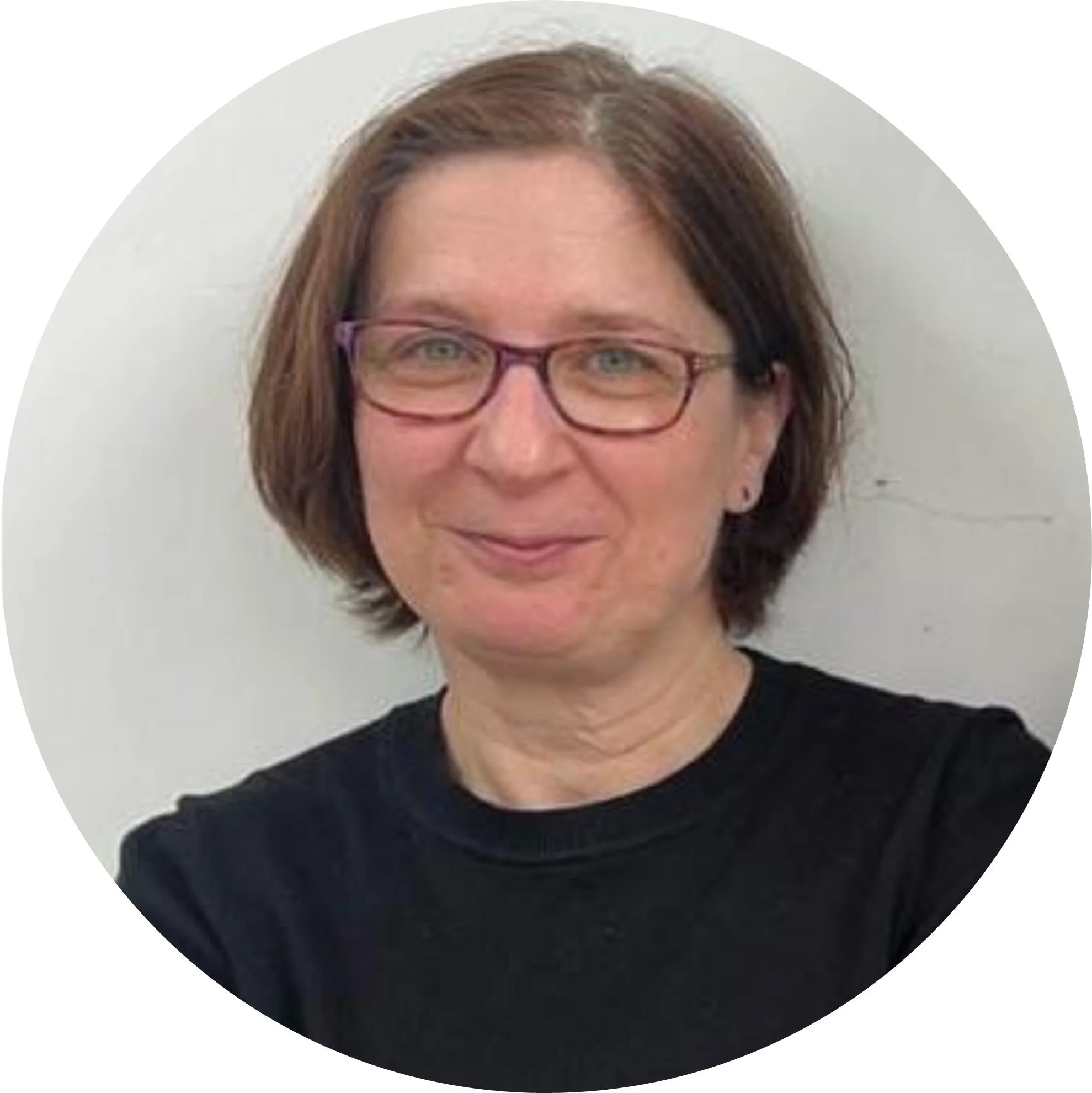
Our March ‘Artist of the Month’ is author Karen Owen
About Karen Owen
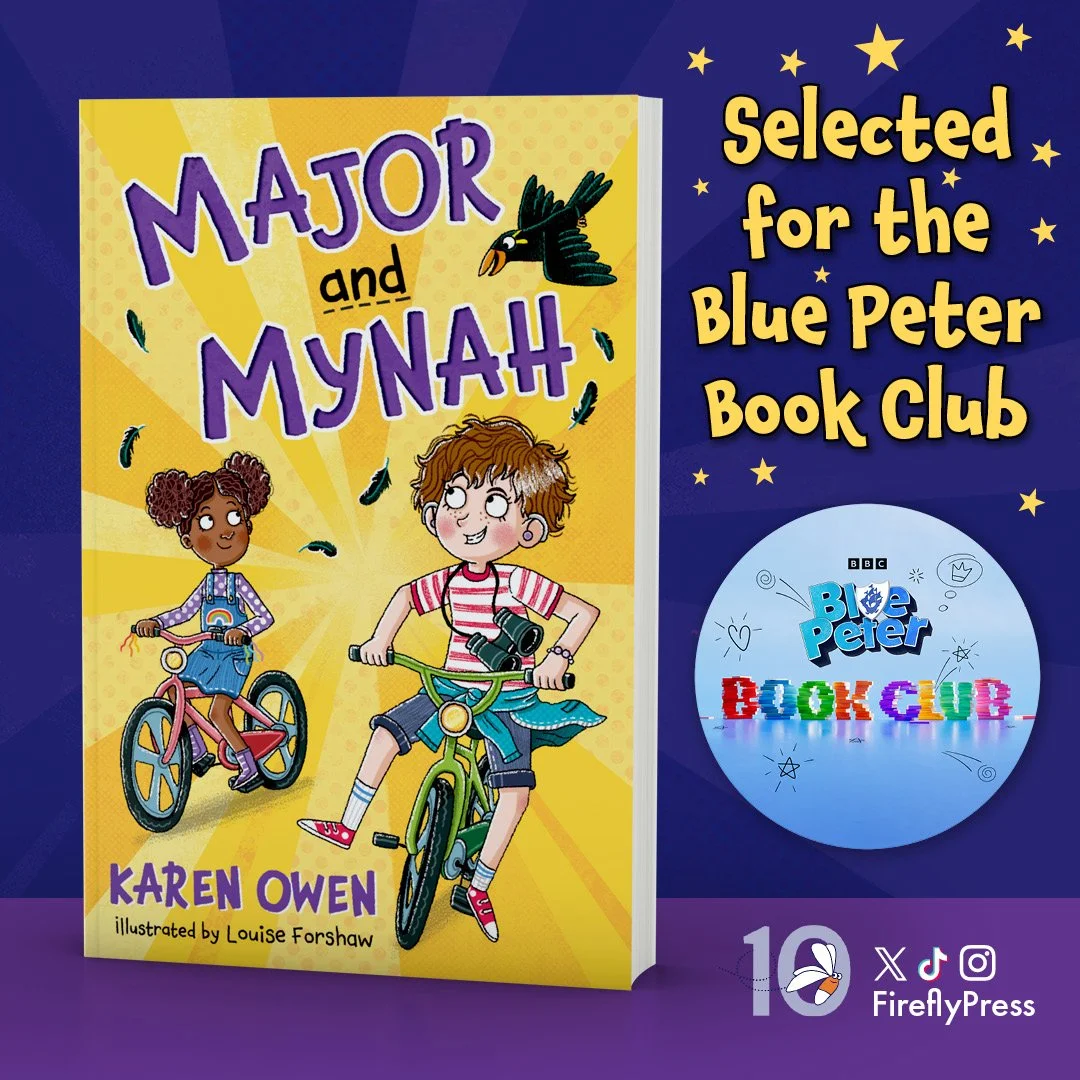
Karen Owen is the author of several funny books with a heart, including the acclaimed Major & Mynah series and the number one best-selling Disaster Dad series, co-written with Irish rugby legend Donncha O’Callaghan. She adores life as an author because it means she gets to do her favourite things: write, read, and find out stuff. Her research includes anything from spending a day with the second largest species of tarantula in the world, to going to the funfair! She lives by the sea in Dorset.
What a visit from Karen entails
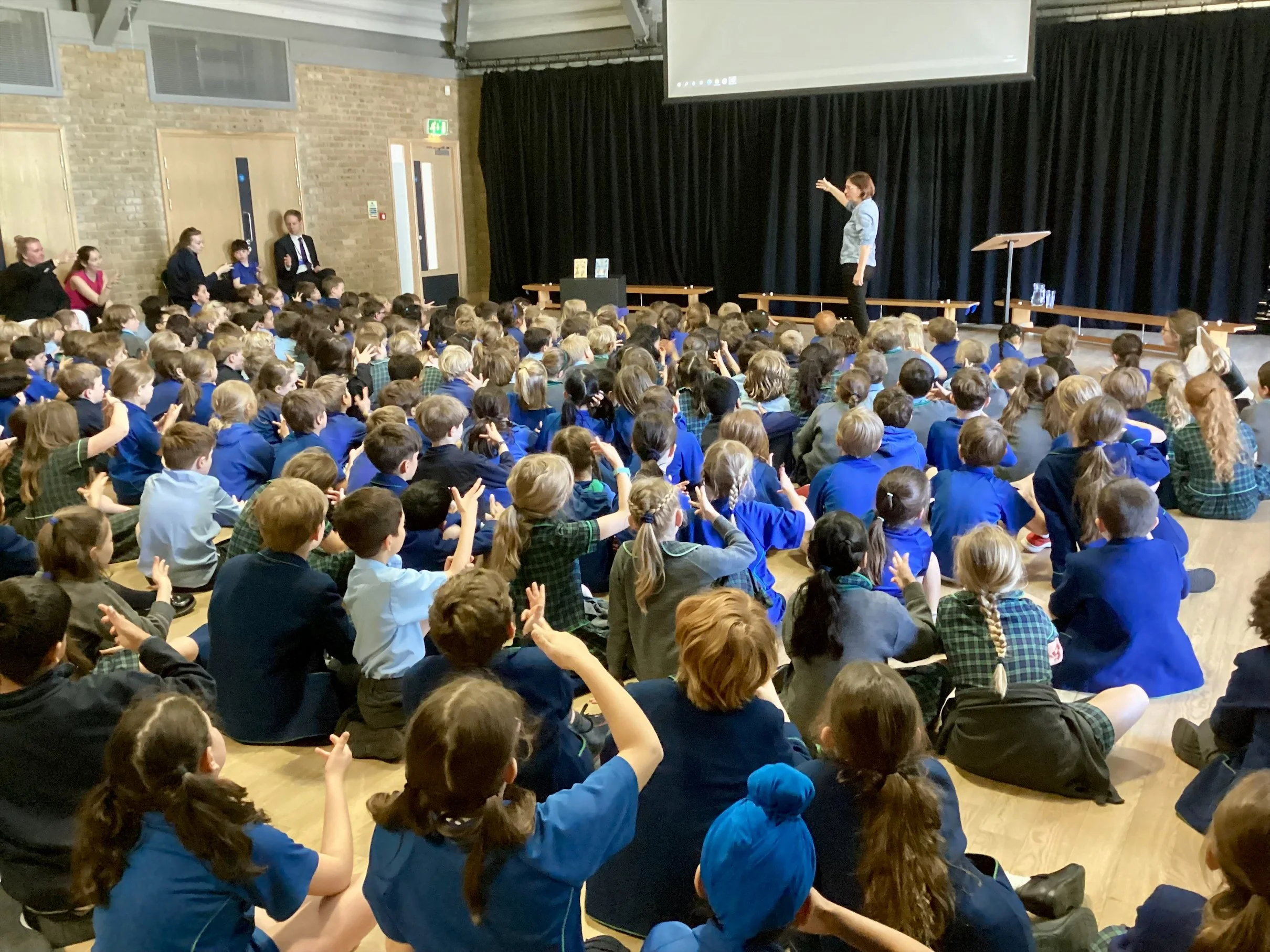
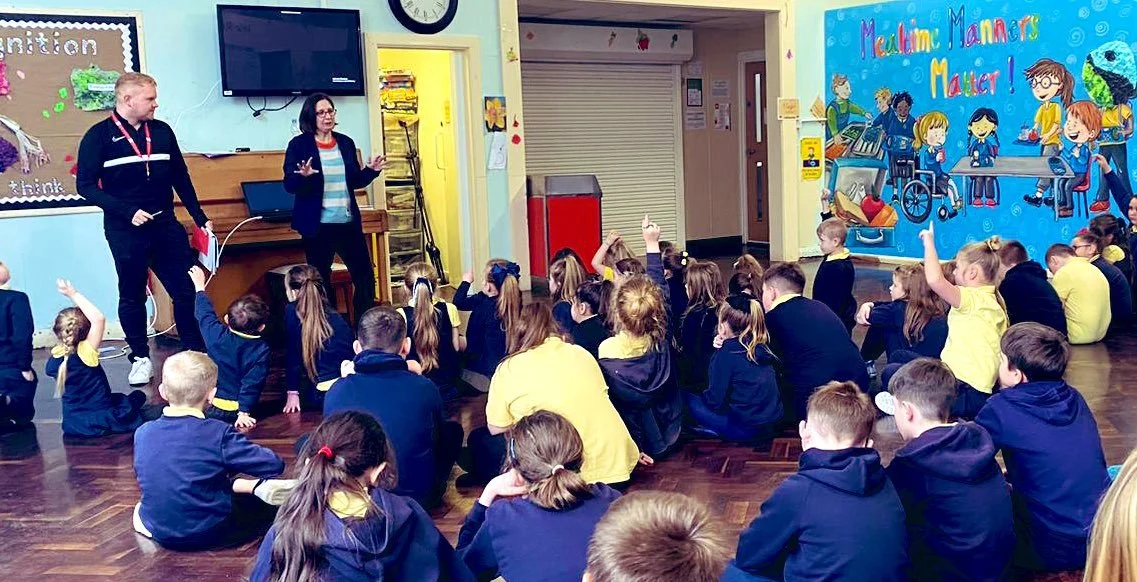
Karen works with children from 3 to 11, offering assemblies, story-telling sessions, creative writing and journalism workshops. Her sessions also cover important topics such as code makers and being eco warriors
You can see details on her visits here
Testimonials from previous visits.
“We had a great day with Karen, thank you! Please find some feedback below and many thanks again for your help.
Karen started with a whole-school assembly, where she shared fun facts and the inspirations behind her love for writing, which engaged the children. Throughout the day, she led workshops for all year groups, from EYFS to Year 6.
She was particularly thoughtful with the EYFS children, demonstrating patience and pitching the session perfectly while still challenging them—introducing similes was a great touch. The workshops for Years 1 to 6 were well-differentiated, ensuring that each year group was appropriately challenged and engaged.
From start to finish, Karen was organised, punctual, and easy to coordinate with, making the whole day run smoothly. We really appreciated her visit and would love to welcome her back in the future!”
Eaton House the Manor
Interview with Karen Owen
Where do you get your ideas for children’s stories from?
Unfortunately there’s not a Shop of Ideas I can visit (unless you know of a secret one?), so I get a lot of my ideas using two magic words: what if...? That’s what I did with Major and Mynah series. What if a girl who wears hearing aids can hear what a mynah bird is saying? And communicate with it?
You previously worked as a print journalist. In a changing world of 24-7 news and people sharing information themselves via social media, why are journalists still so important?
So much of what is said on social media is either untrue or told in such a way that it manipulates the reader into seeing one side of the story. Journalists need to seek out the truth. The very best ones will do so by putting their own judgements or beliefs aside so as not to prejudice the story, and will write a considered, balanced, and accurate piece.
Your books are very funny, is it easy to make people laugh? Is it a natural ability or a skill that can be honed?
That’s a tricky question! I tend to write funny things that happen as part of the story rather than tell one-line jokes. I’m not so good at those. I’m quite a sarcastic and self-deprecating person, and tend to view things through a slightly unusual lens, so that helps. Any skill can be honed if you work hard enough. Humour is a personal and subjective thing, and it’s important to remember that not everyone is going to think you’re funny.
You are a strong advocate for diversity and inclusion in children’s fiction – is representation improving and why does it matter so much?
It matters because every child needs to see themselves or their life situations being represented. Well-written inclusive stories can break down stereotypes and help us develop empathy skills in order to see the world and the variety of people sharing it from a different perspective. Research shows that representation is improving, but from my perspective it has stalled over the last couple of years, and that simply isn’t good enough.
Fiction may be read for fun but it still brings a wealth of benefits – with so many screens demanding attention how do you ensure that you still have time to pick up a good book? What would you suggest to someone wanting to encourage their child to read more?
I’m always saddened if I’m in a book shop or library and I hear a parent refuse to let their child have a book because it’s “too young” for them or “it’s only got pictures”. Let your child choose (so long as it isn’t marketed for older children). A book that you might perceive as too young could actually be a comfort read, a world your child feels safe to explore. That’ll encourage them to read more.
My second suggestion is for parents to become involved with what their children are reading. Kids value what you value. If you value their reading and invest time into engage with them, they’ll enjoy it even more. This doesn’t mean you have to read the book with them (but you can if you want: a lot of children’s books are great!). Ask them questions: what happened in your story today, or what do you think will happen next?
How much research do you have to do for your books? What is the best fact you have learnt whilst researching a book?
I do a lot of research because my Major and Mynah books include fact files. I like to seek out the most interesting facts about different things and places. For Operation Raven, I got a tour around the Tower of London, and learned about medieval toilets, ravens, ghosts, and the Crown Jewels. It was fascinating.
My favourite fact: wombat poop is shaped like a cube!
What can a school look forward to if they book you for a visit?
Creativity. Enthusiasm. A joy of sharing and creating stories. School visits require a lot of energy but I find that being with pupils is so inspiring. I’m always happy to read creative pieces that are sent to me after my workshops. Anything that will encourage creativity and imagination in children is worth it.
School budgets are coming under increasing pressure. Why is it still valuable to host an author visit, if possible, what impact can they have?
Having a “real live author” (as we’re often referred to by wide-eyed pupils) is invaluable for so many reasons. We bring stories to life, we can inspire and nurture an enjoyment of reading, creativity and imagination. Our stories are no longer anonymous; they’re personal. From my perspective, as a hard-of-hearing author who wears hearing aids and lipreads to support my hearing, it’s important to show that someone like me can become a writer.
What has been a memorable moment from a school or library visit?
During a year-group assembly, a shy boy who rarely engaged with visitors did so with me, using sign language. He became animated when I responded in BSL (his was much better than mine!). His excitement and enthusiasm was as inspiring to me as my visit to the school was for him.
You have co-written a book with a celebrity – how different do you find the process when you are a co-writer instead of the sole author?
Publishing a book is a team effort. I love working collaboratively with other authors, illustrators and editors because we bring different skills and visions to the project to make it the best it can be. Brainstorming ideas with a co-author can throw up ideas I might never have thought of.
How closely do you get to liaise with the illustrators of your books?
It varies. With my first picture book, I Could Be, You Could Be, I had no input at all. It was very much Barroux’s vision, but this wasn’t a problem because I adored the illustrations. For the Major and Mynah series, I had more input because it was vital we agreed with how the main characters looked.
You are a mentor for aspiring children’s writers, are you excited about the future of children’s fiction?
Yes! I run creative writing workshops in schools, libraries, and at festivals, and I’m constantly amazed at the breadth of children’s imagination. The caveat is that they need us adults to give them the time and tools that they need. This means access for all children to different genres of fiction and non-fiction (yes, there should be a diverse library in every school) and the opportunity to write what they want, rather than to a prescriptive schedule.
Which children’s author did you enjoy growing up?
Enid Blyton was my go-to author. I still live in hope that one day I’ll find the Magic Faraway Tree, along with Moon-Face and Saucepan Man, and discover which land I could enter.
Do you still read children’s fiction?
Yes! I read to and with my children when they were growing up and now, as young adults, they’re both voracious readers. I love reading stories which are set in the contemporary world but have something unique or special about them, a dash of magic. Most recently I’ve read Boot: Small Robot, Big Adventure, by Shane Hegarty (illustrated by Ben Mantle), which made me cry because it was so poignant, and The Case of the Lighthouse Intruder by Kereen Getten (illustrated by Leah Jacobs-Gordon), which is a mystery series set on a island close to Jamaica.
Can a film based on a book ever be better than the book?
It can be, yes, but it’s important to remember a film and a book will never be the same. Everyone has a different vision of what characters look like.
Where is a memorable place your work has taken you to?
For Project Puffin, I spent the day on the tiny island of Skomer, off the Welsh coast, along with thousands and thousands of puffins.
What are you currently working on?
I’ve written the third in the Disaster Dad series, and now I’m working on a new concept for readers aged 7+ about ghosts!
Quick Fire
Early bird or night owl?
Early bird.
Would you rather be able to regenerate like an axolotl or leap like a flying squirrel?
Leap like a flying squirrel (although they glide rather than fly like birds or bats!).
City or countryside?
Countryside, especially on the coast.
Would you rather have a trip on a boat or a submarine?
I’ve never been on a submarine, so that might be fun.
What was the last thing that made you laugh out loud?
Watching a seagull steal a piece of fish from someone’s plate while they were eating! It was funny for me... less so for the person who was eating it!
If you were Prime Minister for the day, what law would you introduce?
Free public transport. It would be a quick way to help reduce pollution which is helping to ruin our planet.
Arrange for Karen Owen to visit your school
To make an enquiry about Karen, please contact us as follows
UK visits
Email:UKbookings@caboodlebooks.co.uk
Or contact Yvonne on - 01535 279851
Overseas Visits
Email:Overseasvisits@caboodlebooks.co.uk
Or contact Overseas Manager, Robin - +44(0) 1535 279853